Neuroplasticity Life Coach Complete Certificate Course

- Description
- Curriculum
- FAQ
- Reviews
A life coach helps others define how they want to improve themselves, helps them develop a plan to do so and holds them accountable to implement the plan. Their role is actually quite simple. They help us answer three questions: What do I want to change about myself, How do I change, How do I commit to changing, Whether it’s being a better lawyer, a leader or manager or whether it’s more personal, such as getting in shape, losing weight, being a better parent, change starts with identifying what you want to change about yourself, figuring out how to get from here to there and making that change a reality. Life coaches help you do this. They help you to get to know yourself better, define what you really want and work with you on how to get it. Successful individuals set goals and pursue them. When we feel stuck, we’re in a rut, or we find ourselves asking, How did I get here? we know we need to make a change, but we have difficulty defining the change and have less of an idea of how to make it. life coach helps you answer these questions.
A life coach can lead you to water but can’t make you drink. A life coach can help you devise a plan, but he can’t execute the plan. life coach can give you the tools, but won’t build the house for you. The hard work—getting up every morning and working toward your goals every day, in both small and big ways—that’s all you. life coach will help you design the blueprint, but you mix and pour the concrete, saw the wood and build.
This is where most dreams fail. This is where the best of intentions only get you so far. This is where it’s you changing, ever so incrementally, step by step, inch by inch, making a new you. Your life coach can offer advice, motivation and inspiration but you’re the one on the field. You’re the one running and hustling, blocking and tackling, throwing and receiving, making the moves and making the plays. In short, a life coach is just that a coach
a life coach helps you figure things out, but once you have strategy, it’s up to you to execute. he’s not there to hold your hand or carry you across the finish line. he helps you be the brains of the operation. good life coach has a process for you to follow to determine what you want to change, how to change it and how to stick with it through the end. You two are co-architects and you’re the contractor.
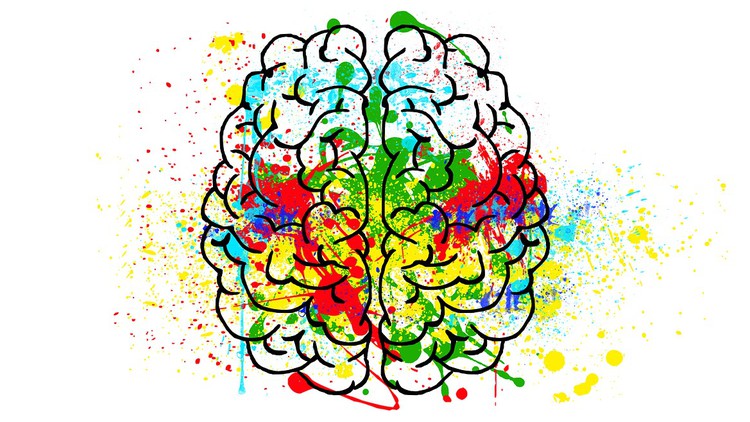
Neuroplasticity can be defined as brain’s ability to change, remodel and reorganize for purpose of better ability to adapt to new situations. Despite the fact that the concept of neuroplasticity is quite new, it is one of the most important discoveries in neuroscience. The fact is that neural networks are not fixed, but occurring and disappearing dynamically throughout our whole life, depending on experiences. While we repeatedly practice one activity such as a sequence of movements or a mathematical problem, neuronal circuits are being formed, leading to better ability to perform the practiced task with less waste of energy. Once we stop practicing a certain activity, the brain will redirect these neuronal circuits by a much known ‘use it or lose it’ principle. Neuroplasticity leads to many different occurrences, such as habituation, sensitization to a certain position, medication tolerance, even recovery following brain injury
Our brains are truly extraordinary; unlike computers, which are built to certain specifications and receive software updates periodically, our brains can actually receive hardware updates in addition to software updates. Different pathways form and fall dormant, are created and are discarded, according to our experiences.
When we learn something new, we create new connections between our neurons. We rewire our brains to adapt to new circumstances. This happens on a daily basis, but it’s also something that we can encourage and stimulate.
it was discovered that neurons could reorganize after a traumatic event. Further research found that stress can change not only the functions but also the structure of the brain itself
Although related, neuroplasticity and neurogenesis are two different concepts.
Neuroplasticity is the ability of the brain to form new connections and pathways and change how its circuits are wired; neurogenesis is the even more amazing ability of the brain to grow new neurons
- Neuroplasticity is one fundamental process that describes any change in final neural activity or behavioral response, or;
- Neuroplasticity is an umbrella term for a vast collection of different brain change and adaptation phenomena.
-
1
 the anatomy of anxiety 1
 -
2
Frontal Lobe
-
3
Rewire Brain
-
4
Understanding Anxiety 1
-
5
The Cortex and the Amygdala
-
6
The Promise of Neuroplasticity
-
7
Understanding How Anxiety Limits you in Your life
-
8
Revisiting the Two Pathways to Anxiety
-
9
The Amygdala Pathway
-
10
The Root of Anxiety Understanding The Amygdala
-
11
The Root of Anxiety consider Fran
-
12
How the Amygdala Decides what is Dangerous 1
-
13
Emotional Memories
-
18
Two Pathways to Anxiety
-
19
The Central Nucleus
-
20
A Matter of Timing
-
21
Brain Circuitry
-
22
Synapse
-
23
Circuitry Connections Between Neurons
-
24
Emotional Memories Formed By the Amygdala
-
25
Discovering the Source of Amygdala Based Memories
-
26
Panic Attacks
-
27
Teaching Your Amygdala Through Experience
-
28
Exposure Based Treatment
-
29
The Basics of Rewiring Activate to Generate
-
30
Understanding Exposure Through Practice in Diagramming 1
-
31
Association Trigger Cat
-
32
Exercise and Sleep Tips for Calming Amygdala Based Anxiety
-
33
Exercise and Anxiety 1
-
34
What Type of Exercise is Best for You
-
35
Helping Your Amygdala Get Past Panic
-
36
Lack of Sleep and the Amygdala
-
37
Coping with Sleep Difficulties
-
38
Helping your Cortex Get Past Panic
-
39
The Benefits of Relaxation
-
40
Breathing Focused Strategies
-
41
Diaphragmatic Breathing
-
42
Imagery
-
43
The Language of the Amygdala
-
44
Association Trigger
-
45
The Role of the Central Nucleus of the Amygdala