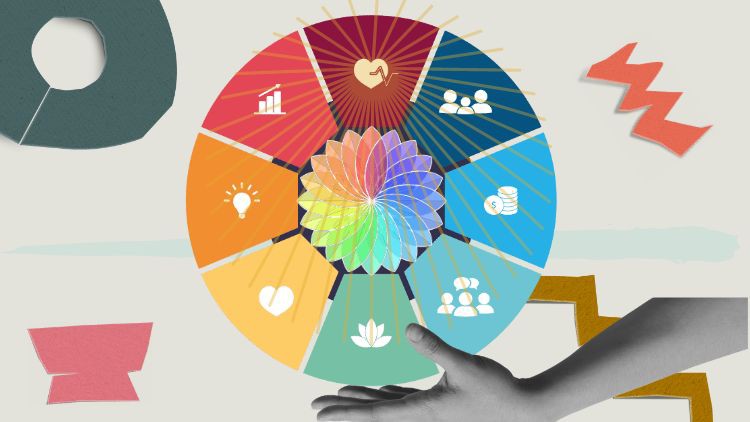
Discover Your Best Self: 6 Degrees of Personal Wellness

- Description
- Curriculum
- FAQ
- Reviews
This course is for anyone who wants to improve their overall well-being and lead a happier, healthier life. It is good for people of all ages, backgrounds, and ways of life who want a complete approach to health and wellness. The course covers a wide range of topics and gives practical tips and strategies for people who want to specifically improve their physical, emotional, spiritual, sexual, financial, and mental well-being. Whether someone is looking to improve their diet, reduce stress, strengthen relationships, or simply live a more balanced life, this course is an excellent starting point. It is also suitable for individuals who have a general interest in wellness and self-improvement
One can expect a transformational outcome through this course. There could be an overall improvement in your well-being and this could manifest in various ways. With action, intent and purpose, you will discover:
-
Physical: improved physical health, increased energy levels, better sleep, and improved nutrition.
-
Emotional: greater emotional stability, improved self-esteem, and increased resilience to stress.
-
Mental: better concentration, greater creativity, and improved problem-solving abilities.
-
Spiritual: greater sense of purpose, improved connection to one’s values, and sense of inner peace.
-
Sexual: improved self-confidence, stronger relationships, and a more fulfilling and satisfying intimate life.
-
Financial: improved financial literacy, better money management, and greater financial stability.
-
Social: improved relationships with family, friends, and community members, and greater sense of belonging.
This course is designed to empower you to take action on your goals and make long-term, sustainable changes in your life.
-
1
 Introduction
In this course, we will dive deep into holistic health and wellness, and look to improve your overall well-being. If you are looking to improve your physical health, emotional well-being, and relationships, and you are interested in developing your spiritual, mental, physical, sexual, emotional, and financial well-being, then this course is for you. Our goal is to help you make positive changes in your life and to open yourself up to learning about new ways to improve your well-being.
We will cover ways to transform your body, mind, and soul on several levels:
Physical: improved physical health, increased energy levels, better sleep, and improved nutrition.
Emotional: greater emotional stability, improved self-esteem, and increased resilience to stress.
Mental: better concentration, greater creativity, and improved problem-solving abilities.
Spiritual: greater sense of purpose, improved connection to one's values, and sense of inner peace.
Occupational: improved job satisfaction, better work-life balance, and greater career development.
Financial: improved financial literacy, better money management, and greater financial stability.
Environmental: greater awareness of and connection to the natural world, and improved environmental stewardship.
Social: improved relationships with family, friends, and community members, and greater sense of belonging.
This is a course that is designed to empower you to take action on your goals, and make long-term sustainable changes in your life.
-
2
Who is this Course For?
This course is for anyone who wants to improve their overall well-being and lead a happier, healthier life. It is good for people of all ages, backgrounds, and ways of life who want a complete approach to health and wellness. The course covers a wide range of topics and gives practical tips and strategies for people who want to specifically improve their physical, emotional, spiritual, sexual, financial, and mental well-being. Whether someone is looking to improve their diet, reduce stress, strengthen relationships, or simply live a more balanced life, this course is an excellent starting point. It is also suitable for individuals who have a general interest in wellness and self-improvement
One can expect a transformational outcome through this course. There could be an overall improvement in your well-being and this could manifest in various ways. With action, intent and purpose, you will discover:
Physical: improved physical health, increased energy levels, better sleep, and improved nutrition.
Emotional: greater emotional stability, improved self-esteem, and increased resilience to stress.
Mental: better concentration, greater creativity, and improved problem-solving abilities.
Spiritual: greater sense of purpose, improved connection to one's values, and sense of inner peace.
Sexual: improved self-confidence, stronger relationships, and a more fulfilling and satisfying intimate life.
Financial: improved financial literacy, better money management, and greater financial stability.
Social: improved relationships with family, friends, and community members, and greater sense of belonging.
This course is designed to empower you to take action on your goals and make long-term, sustainable changes in your life.
What you’ll learn
The course, based on the 8 Degrees of Wellness, will teach students how to achieve personal transformation in different aspects of life.
We will cover physical, emotional, spiritual, mental, sexual and financial wellness. Students will learn how to create a balanced life and improve their health.
This course offers a comprehensive approach to wellness and helps students create a personalized plan for living a more balanced and fulfilled life.
The expectation is that you will walk away with an improved overall well-being. By exploring each of these areas, we can begin the growth process.
Are there any course requirements or prerequisites?
A computer or Cell phone with audio output to access the courses
Ability to download and use the attached material and worksheets
A desire to grow in your personal life
A commitment to being open to the material and listening to learn and grow
The ability to take action on the the material provided and commit to focusing on your personal advancement.
Who this course is for:
This course is for anyone who wants to improve their overall well-being and lead a happier, healthier life. It is suitable for individuals of all ages, backgrounds, and lifestyles who are looking for a comprehensive approach to wellness. The course covers a range of topics and provides practical tips and strategies for individuals seeking to enhance their physical, emotional, spiritual, intellectual, social, sexual, financial, and occupational well-being. Whether someone is looking to improve their diet, reduce stress, strengthen relationships, or simply live a more balanced life, this course is an excellent starting point. It is also suitable for individuals who have a general interest in wellness and self-improvement.
You can use this course to learn more about yourself or a partner or loved one. You can use this course to improve in certain areas of your life where you feel, or have been told, you need to work on improving. And you can use this course as an overall guide with information you can share with a loved one that you think may benefit from this information.
-
3
Unlocking our Full Potential Through These 6 Degrees of Wellness
In a world that's constantly in motion, demanding our attention, and often leaving us feeling overwhelmed, the pursuit of a balanced and fulfilling life can seem like an elusive dream. But what if we told you that there's a holistic approach to well-being that can help you find that balance, connect the dots, and lead a more enriching life? Welcome to the "6 Degrees of Wellness" course, a journey that will transform the way you perceive and engage with every facet of your life.
We all desire a life that's not just defined by physical health but is also deeply satisfying on multiple levels. The 6 Degrees of Wellness offers a comprehensive roadmap to guide you toward a more harmonious existence, encompassing your mental, physical, emotional, spiritual, financial, and sexual dimensions. This course is designed for anyone seeking a profound transformation, a fresh perspective, or simply a more enlightened approach to life.
So, why should you consider embarking on this remarkable journey of self-discovery and well-being?
Comprehensive Understanding: The 6 Degrees of Wellness provides a 360-degree view of well-being. It doesn't just focus on one aspect of your life; it explores all six dimensions, helping you understand how they are interconnected and how they collectively impact your overall happiness and contentment.
Empowerment: By delving into these six dimensions, you'll gain the knowledge and tools to take control of your life. No longer will you feel like a passive participant; you'll become the master of your own destiny, capable of making informed decisions to shape your life in meaningful ways.
Holistic Growth: This course isn't just about physical health or mental well-being. It's about nurturing every aspect of your being, ensuring that you grow mentally, physically, emotionally, spiritually, financially, and sexually. The synergy between these dimensions creates a ripple effect of positivity throughout your life.
Achieve Balance: Balance is the cornerstone of happiness. The 6 Degrees of Wellness will help you find equilibrium in each aspect of your life. You'll learn to allocate your time, energy, and resources more effectively, reducing stress and enhancing your overall well-being.
Deep Self-Discovery: As you journey through the course, you'll not only discover external strategies for well-being but also learn about your true self. This self-awareness is a vital step towards unlocking your full potential and living a life that aligns with your values and desires.
Community and Support: Join a community of like-minded individuals who are also on this transformative journey. Share experiences, challenges, and triumphs, and tap into the power of support and collective wisdom.
The 6 Degrees of Wellness course isn't just an educational experience; it's a life-changing journey that will equip you with the knowledge, tools, and mindset needed to live a more fulfilling and balanced life. If you're ready to invest in yourself, explore uncharted territory, and embrace well-being in its broadest sense, then this course is your first step towards a brighter, more enriching future. Are you ready to embark on this incredible voyage of self-discovery and well-being? If so, let's begin.
-
4
Introduction to The Six Degrees of Wellness
Looking forward to this journey of growth, wonderment, and personal reflection!
-
5
Introduction to Physical Wellness
Welcome to the section on physical wellness! This section aims to provide the information you need to improve your overall health, reduce the risk of chronic diseases, improve sleep quality, reduce anxiety, improve brain health and cognitive function, increase energy, and promote physical activity as an essential component of a healthy lifestyle.
-
6
Physical Wellness
Here, we will gain knowledge and skills to improve overall health, including reducing the risk of chronic diseases, improving sleep quality, reducing anxiety, improving brain health and cognitive function, and increasing energy.
-
7
Physical - A Healthy Diet
This section on why it's important to have a healthy diet will teach you about the benefits of consuming a healthy diet throughout your life. The course covers the basic principles of what constitutes a healthy diet, including the importance of consuming foods high in dietary fiber, whole grains, fruits, and vegetables. Students will gain knowledge and skills to prevent malnutrition in all its forms, protect against noncommunicable diseases (NCDs), such as diabetes and heart disease, and boost mood and cognitive function
-
8
Physical - Relationships and Their Effects on our Bodies
Our relationships can affect our bodies in many ways. Physical wellness promotes proper care of our bodies for optimal health and functioning, which involves eating a healthy diet, getting enough sleep, doing enough regular physical activity, and preventing and managing illness and health conditions. Understanding the relationship between our body's physical health and mental health is crucial to developing balanced physical wellness. Our relationships can impact our physical wellness by affecting our mental health, which in turn affects our physical health. For example, research shows that people who have mental disorders or are suffering from addiction tend to die years earlier than the general population. Physical activity can improve our brain health, help manage weight, reduce the risk of disease, strengthen bones and muscles, and improve our ability to perform daily activities. In this section, the course will cover the importance of physical wellness, the relationship between physical wellness and our relationships, and the benefits of physical activity.
-
9
Physical - The Outcome of Feeling Good on the Inside
This section teaches students about the physical and emotional benefits of regular exercise and physical activity. We will cover the ways in which exercise can lead to a happier, healthier life, including controlling weight, boosting energy, improving mood, and reducing feelings of depression and anxiety. Students will gain knowledge and skills to improve their physical and mental well-being, and ultimately feel better on the inside.
-
10
Introduction to Mental Wellness
This section on mental health covers various aspects of mental health, including emotional, psychological, and social well-being. Mental health is an essential part of overall health and well-being, affecting how we think, feel, and behave. The Mental Health Act is a law that defines mental disorders and outlines when someone can be detained in a hospital and treated against their wishes. In this section, the course will cover the definition of mental disorder, and the importance of promoting mental health and well-being.
-
11
What is Toxicity?
This section of mental health covers ways that people can be toxic. Toxic people are those who cause distress to others through negative words and actions. Their behavior is typically unpleasant or malicious toward others, and it can be subtle or outwardly manipulative, self-centered, needy, or controlling. Toxicity in people is not considered a mental disorder, but there could be underlying mental problems that cause someone to act in toxic ways, including a personality disorder. Toxic people can create lots of stress and unpleasantness for others, not to mention emotional or even physical pain. Negative relationships can lead to or worsen anxiety and stress disorders, and toxic relationships create mental strain and stress, which can impact mental health. In this section, the course will cover the traits of toxic people, how to recognize toxic behavior, and how to cope with toxic people.
-
12
Mental Wellness and it's Affects in Your Relationships
Mental health can have a significant impact on our relationships. Mental illness can cause disintegration in a relationship, leading to one partner taking on more responsibilities than the other, breakdowns in communication, and feelings of anxiety and isolation. Mental illness can also affect intimacy, decrease libido, and trigger negative emotions. However, with communication, understanding, and support, individuals with mental illness can still enjoy fulfilling relationships of all kinds, from close friendships to romantic relationships.
-
13
Mental - Recognizing Systematic Behavior
This section on recognizing systematic behaviors teaches learners how to study human behavior systematically, identify the underlying function or purpose of a behavior, and plan, design, and evaluate systematic behavior change campaigns. Learners will gain knowledge and skills to recognize systematic behaviors and develop effective interventions to promote positive behavior change.
-
14
Mental - The Growth Process in Achieving Mental Stability
This section on the growth process of achieving mental stability provides strategies and models for boosting mental strength and resilience. It teaches learners how to promote resilience, develop mental toughness, and build skills to endure hardship. The course also covers identifying the elements of well-being, recognizing signs of stress, and accessing appropriate resources to improve mental well-being.
-
15
Mental - Figuring Out the Signs
"Figuring out the Signs" is an enlightening course within the realm of mental wellness that guides participants on a journey of self-discovery and awareness. This transformative course delves into deciphering the subtle yet crucial signs that our minds and bodies communicate, aiding individuals in understanding their emotions, thoughts, and overall mental well-being. By navigating through this course, individuals develop practical tools to enhance their emotional intelligence, build resilience, and foster a deeper connection with their inner selves, ultimately fostering a healthier and more balanced mental state. "Figuring out the Signs" empowers participants to navigate the intricate landscape of their emotions, promoting a positive and proactive approach to mental well-being.
-
16
Introduction to Emotional Wellness
This section on emotional wellness teaches students about the importance of emotional well-being and how to successfully handle life's stresses and adapt to change and difficult situations. This section covers strategies for improving emotional health, such as developing healthy physical habits, tapping into social connections and community, and reducing stress. Learners will gain knowledge and skills to recognize signs of stress in themselves and others, build resilience, and promote wellness in all aspects of life.
-
17
Emotional Wellness and How it Affects Your Relationships
Emotional wellness is the ability to successfully handle life's stresses and adapt to change and difficult situations. It encompasses optimism, self-esteem, self-acceptance, and the ability to share feelings. Emotional wellness can affect our ability to carry out everyday activities, our relationships, and our overall mental health. Social relationships have significant effects on health, and they can affect health through behavioral, psychological, and physiological pathways. Students will gain knowledge and skills to improve their emotional wellness and social relationships, which can ultimately impact their relationship.
-
18
Emotional - Healing From Past Traumas
This section on healing from past traumas helps students change the way that past hurts impact their energy, mood, and ability to receive good things. The section covers various techniques and approaches to healing trauma, including body-based approaches, awareness, and freedom. Students will gain knowledge and skills to heal themselves and others from past traumas, increase healthy behaviors, and restore wholeness.
-
19
Emotional - Hope
This course covers emotional healing and trauma healing, which can indirectly relate to having hope. Emotional healing is the process of recognizing, understanding, and coping with emotions that cause pain or discomfort. Trauma healing is the process of addressing and resolving the emotional and psychological effects of trauma. Students will gain knowledge and skills to heal themselves and others from emotional pain, trauma, and stress, which can ultimately lead to a sense of hope and well-being.
-
20
Introduction to Spiritual Health
Welcome to the section on spiritual wellness! This section is designed to help you cultivate a deeper understanding of your spiritual self and develop a sacred connection with the world around you. Through this section, you will learn about spiritual tools and tactics that can help you cultivate a personal reflection practice, form a sacred connection, and gain greater compassion and self-awareness. You will explore your innate capacity to heal and connect with others through mindfulness meditation, grounding, somatic, and self-compassion exercises. We are excited to embark on this journey with you and look forward to helping you achieve greater spiritual wellness.
-
21
How Spirituality Relates to your Relationships
Spirituality is universally connective in the realization that suffering is a part of human existence. It can help individuals live in harmony with a relationship partner using a variety of healthy skills. Together, we will learn about spiritual tools and tactics that will help you cultivate a personal reflection practice, form a sacred connection to your inner and outer worlds, and enjoy a more mindful, intentional, and maybe even magical life. Students will gain knowledge and skills to explore their spirituality, find meaning, and cultivate a more mindful, intentional, and magical life, which can ultimately impact their relationships.
-
22
Spirituality - A Healthy Spiritual Life and It's Outcome
In this section, we will discover how spirituality can help individuals deal with stress by giving them a sense of peace, purpose, and forgiveness. It can also increase compassion, empathy, and attention, as well as quiet the mind. Spiritual practices are associated with better health and well-being, including improved overall life satisfaction and physical and mental health. Spirituality can empower individuals' lives by empowering both internal (e.g., feeling of self-worth) and social (e.g., relationships) aspects. It can also provide a sense of comfort and support in difficult times. Therefore, having a healthy spiritual practice can lead to a more mindful, intentional, and magical life, which can ultimately impact one's mental and physical health and well-being.
-
23
Spirituality and It's Influence on Personal Relationships
This section on spirituality and its dependence on personal relationships helps learners explore the potential of what their unique spiritual perspective can bring to their relationships. The course covers spiritual tools and tactics that can help students cultivate a personal reflection practice, form a sacred connection to their inner and outer worlds, and enjoy a more mindful, intentional, and magical life. Students will gain knowledge and skills to create sacred moments, places, and connections in their lives, which can ultimately impact their relationships. In this section, we explore how emotional health and contemplative spirituality impact our relationships.
-
24
Spirituality - Indicators
This section on spirituality and indications of spiritual growth helps students understand the signs of spiritual growth and how to grow spiritually. Indicators of spiritual growth include the ability to walk in obedience to God's will, taking an interest in consciousness, and becoming more like the person God designed you to be. The course covers spiritual tools and tactics that can help students cultivate a personal reflection practice, form a sacred connection to their inner and outer worlds, and enjoy a more mindful, intentional, and magical life. Students will gain knowledge and skills to explore what spirituality means for them, drop deep into inner knowing, and get in touch with their intuition. The course can help students open their hearts to curiosity and tools for creating sacred moments, places, and connections in their lives, which can ultimately lead to spiritual growth.
-
25
Introduction to Sexual Health
Welcome to the section on sexual health! Sexual health is about well-being, not merely the absence of disease. It involves respect, safety, and freedom from discrimination and violence. Sexual health education provides students with the knowledge and skills to help them be healthy and avoid sexually transmitted infections (STIs), unintended pregnancy, and other sexual health issues. In this section, we will cover topics such as bodily development, sex, sexuality, and relationships, along with skills-building to help you communicate about and make informed decisions regarding sex and your sexual health. We will also cover strategies to avoid or end an unhealthy relationship and help you understand, value, and feel autonomy over your body.
-
26
Sexual Health and How it Relates to Your Relationships
Sexual health is fundamental to the overall health and well-being of individuals, couples, and families, and to the social and economic development of communities and countries. Sexual health is an intrinsic element of human health and is based on a positive, equitable, and respectful approach to sexuality, relationships, and pleasure. In a relationship, sexual health education can help individuals develop respectful social and sexual relationships, build stronger and healthier relationships, and make informed decisions regarding sex and their sexual health. In this section, we will cover topics such as sexual health education, sexually transmitted infections, contraception, and healthy sexual relationships
-
27
Sexual - Recognizing Sexual Health
Recognizing sexual health is an essential part of maintaining overall health and well-being. Sexual health is a state of physical, emotional, mental, and social well-being in relation to sexuality. It requires a positive and respectful approach to sexuality and sexual relationships, as well as the possibility of having pleasurable and safe sexual experiences. Recognizing sexual health involves understanding the importance of comprehensive sexual health education, which covers a range of topics throughout an individual's lifespan, including bodily development, sex, sexuality, and relationships. It also involves developing respectful social and sexual relationships, building stronger and healthier relationships, and making informed decisions regarding sex and sexual health. In this section, we will cover the definition of sexual health, its importance, and how to recognize and maintain sexual health.
-
28
Sexual - Letting Go of the Past
Letting go of the past is an essential part of maintaining sexual health. Past experiences, such as relationships or regrets, can have a deep impact on mental health. Recognizing and accepting your feelings, including anger, and making a commitment to let go are among the steps that can help. Letting go of grudges and bitterness can make way for improved health and peace of mind, leading to healthier relationships and improved mental health. Feeling unable to let go of the past can lead to clinical depression, Post-Traumatic Stress Disorder (PTSD), or even suicide. In this section, we will cover tips for letting go of past traumas and hurts, why doing this can be difficult, and how to cultivate strength and self-compassion to invite your hurting younger self into a healing relationship with you.
-
29
Sexual - Outcomes of Accepting Yourself From Within
In this section, students will learn about accepting themselves and how it is an essential part of maintaining sexual health. Your sexuality plays an important role in your identity and sense of self. Self-acceptance of sexuality involves accepting one's sexuality as it is and being comfortable with this part of the self. Developing a positive identity can be tricky for all young people, especially those questioning their sexuality or gender. However, self-acceptance is associated with better mental health. It is considered a key milestone within sexual identity development frameworks. Sexual health, when viewed affirmatively, requires a positive and respectful approach to sexuality and sexual relationships. In this section, we will cover the importance of self-acceptance, tips for developing a positive identity, and how self-acceptance is associated with better mental health.
-
30
Sexual - Relationship Benefits of Sex
Sexual intimacy is an essential part of maintaining a healthy relationship. Physical intimacy strengthens the bond between two people and fosters closeness, love, and affection between couples. Sex can help relieve stress, boost confidence, and improve overall well-being. It can also lead to better sleep and a more satisfying sexual life. Sexual intimacy involves trust and being vulnerable with each other, and it is linked to other forms of intimacy. It can be a powerful way to deepen the emotional connection in a relationship, creating an intimate bond between two people that transcends the physical level and helps them become closer emotionally. Being sexually intimate with a romantic partner has many advantages, including increased happiness, self-esteem, and physical health benefits. In this section, we will cover the importance of sexual intimacy in relationships, the benefits of sexual intimacy, and tips for improving sexual intimacy.
-
31
Financial Intro
This section on financial wellness covers the importance of financial well-being in managing financial expenses, paying debts, weathering unexpected financial emergencies, and planning for long-term financial goals such as building college funds and saving for retirement. Financial wellness is a state of being in which a person is able to fully meet current and ongoing financial obligations, feel secure in their financial future, and make choices that allow enjoyment of life. Financial stress is repeatedly found to be a common source of stress, anxiety, and fear, and it can impact mental and physical health. Financial wellness is not a destination; it's a constant journey of making adjustments and building resilience to maintain financial equilibrium, not only to pay bills but also to enjoy a more stable, healthy, and fulfilling life. In this section, we will cover the definition of financial wellness, the importance of financial wellness, and tips for achieving financial wellness.
-
32
How Your Finances Affect Your Relationships
This section on how finances affect your relationships covers the impact of financial stress on mental and physical health as well as personal relationships. Financial stress can lead to anxiety, depression, behavioral changes, or physical symptoms such as headaches, migraines, and compromised immune systems. It can also cause insomnia or other sleep difficulties, relationship difficulties, and a loss of interest in sex, among other issues. Money is often cited as the most common issue couples argue about, and financial stress can wear away at the foundations of even the strongest relationships. Understanding the relationship between finances and relationships is crucial to developing financial wellness and maintaining healthy personal relationships. In this section, the course will cover the impact of financial stress on mental and physical health, the impact of financial stress on personal relationships, and tips for coping with financial stress and maintaining healthy relationships.
-
33
Financial - Effects of Financial Independence
The section on the benefits of financial independence in relationships covers the advantages of achieving financial independence, such as time freedom, meaningful pursuits, and travel opportunities. Financial independence can also reduce anxiety, enabling a more stable and fulfilling life. Entrepreneurship can be a wonderful way to align your career with your lifestyle and become financially independent on your own terms. Economic independence can provide freedom from abuse, as financial dependence can lead to a power imbalance in the relationship, which can be exacerbated in cases of domestic abuse. Financial independence is crucial to developing financial wellness and maintaining a healthy and fulfilling life. In this section, we will cover the definition of financial independence, the benefits of financial independence, and tips for achieving financial independence.
-
34
Financial Independence and the Outcome
The section on the outcome of financial independence covers the benefits of achieving financial independence, such as the freedom to make decisions based on personal preferences rather than financial commitments. Financial independence can provide time freedom, meaningful pursuits, and travel opportunities, reduce anxiety, and enable a more stable and fulfilling life. Achieving financial independence is a goal that many people dream of, and rightly so. The freedom to pursue dreams without financial restrictions is just one of the many life-changing advantages of being financially free. Financial independence can also have positive effects on academic achievement, as economic factors such as income, assets, work status, and educational attainment are positively associated with financial independence. In this section, the course will cover the definition of financial independence, the benefits of financial independence, and the positive effects of financial independence on personal and academic achievement.
-
35
Financial - Planning and Budgeting
The section on the importance of financial planning and budgeting covers the significance of creating a financial plan and budget to manage personal finances effectively. Financial planning involves evaluating one's current financial situation, setting long-term monetary goals, and developing strategies to achieve them. A financial plan can help establish and plan for fundamental needs such as managing life's risks, income and spending, and debt reduction. It can also provide financial guidance to meet obligations and objectives, track progress towards financial well-being, and enhance the probability of achieving financial milestones and overall financial success. Budgeting, on the other hand, provides a vehicle for translating educational goals and programs into financial resource plans by developing an instructional plan to meet financial goals. Personal financial planning is arranging to spend, save, and invest money to live comfortably, have financial security, and achieve personal goals. Understanding the importance of financial planning and budgeting is crucial to developing financial wellness and maintaining healthy personal finances. In this section, the course will cover the definition of financial planning and budgeting, the importance of financial planning and budgeting, and tips for creating a financial plan and budget.
-
36
Financial - Financial Dependence and Independence
"Financial Dependence and Independence" is a pivotal module within the comprehensive Financial Wellness course, designed to equip participants with the knowledge and skills needed to navigate the spectrum of financial stability. This course addresses the core concepts of financial dependency and independence, exploring the factors that contribute to each state. Participants will gain a profound understanding of budgeting, saving, investing, and debt management, crucial elements in achieving financial autonomy. Through real-life case studies, individuals will learn how to break free from financial constraints, cultivate healthy financial habits, and make informed decisions that lead to independence. "Financial Dependence and Independence" empowers participants to take control of their financial future, fostering a sense of confidence and security as they work towards achieving financial autonomy and well-being.